DIY vs. Professional Fence Installation: Why Hiring an Expert Saves You Time and Money
When homeowners face the decision of having a fence installed, they often evaluate the merits of DIY versus hiring a professional. While the attraction of reducing expenses via a do-it-yourself approach is tempting, the potential pitfalls can lead to increased costs and time. Expert installers offer skill and precision, which can be critical in handling difficult installation obstacles. This raises an important question: What true value comes from choosing professional installation?
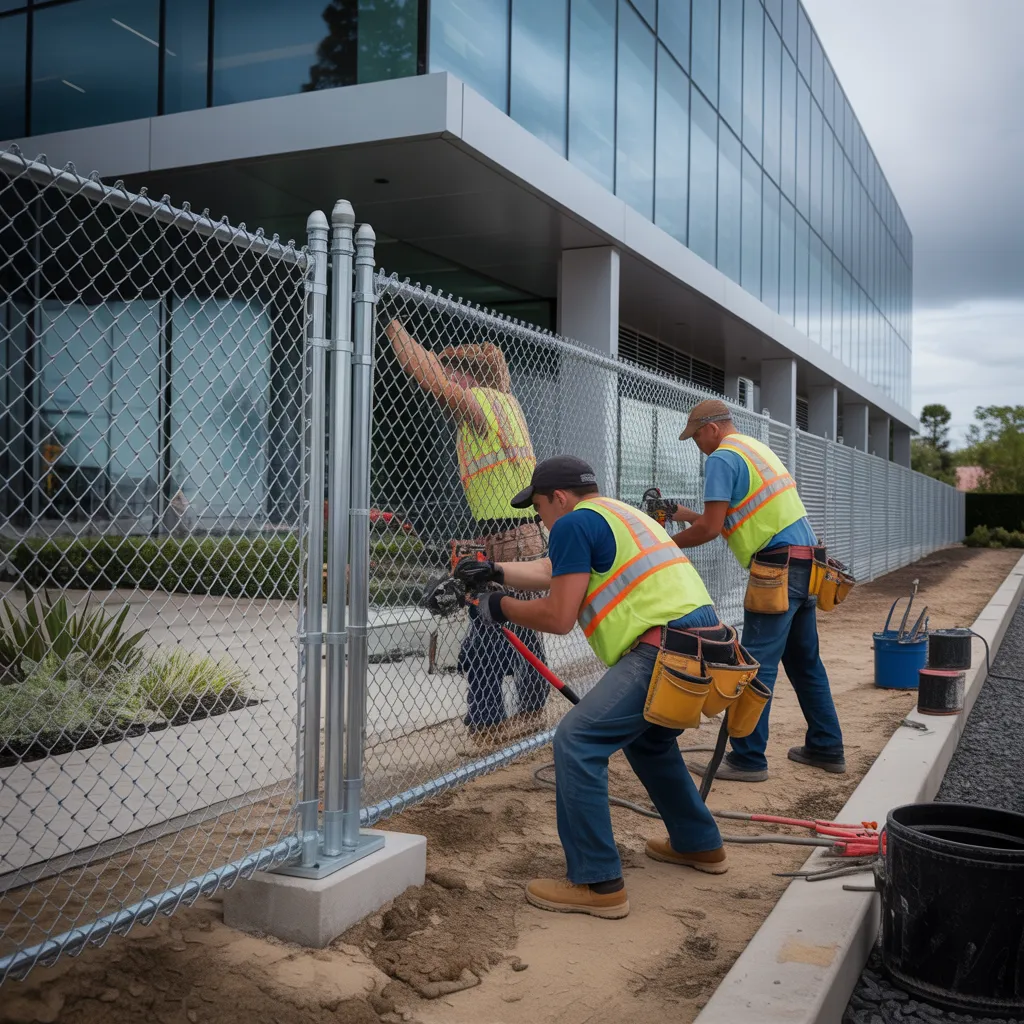
The Perks of Professional Fence Installation
Although some homeowners might consider handling fence installation themselves, the benefits of working with professionals frequently outweigh the upfront expense. Experienced installers provide the knowledge needed to ensure the fence is built properly and efficiently. They have access to specialized tools and machinery, which reduces the likelihood of mistakes and improves overall quality. Additionally, their experience allows them to navigate challenges such as uneven terrain or local regulations, which can complicate DIY efforts.
Moreover, working with specialists typically produces faster completion times, releasing homeowners from the hassle of prolonged undertakings. Professionals also provide coverage for their services, giving homeowners comfort about long-lasting quality and upkeep. This assurance can alleviate concerns about future complications stemming from faulty workmanship. In summary, the advantages of expert fence installation encompass skilled labor, schedule efficiency, and sustained structural integrity, establishing it as a smart thorough guide investment for most homeowners.
What Is the Cost of Professional Installation?
The cost of professional fence installation may fluctuate considerably based on several factors, such as materials, labor, and site conditions. Comprehending these considerations is crucial for property owners exploring this option. Moreover, evaluating long-term value can help determine whether the investment aligns with future needs and property enhancement.
Factors Influencing Installation Cost
Numerous factors affect the overall pricing of professional fencing installation, making it crucial for home and property owners to recognize the factors behind these expenses. The materials chosen—such as metal, wood, or vinyl—greatly affects the total expenditure. Moreover, the dimensions of the fence are important factors; larger projects naturally incur higher costs. Labor expenses also vary based on the overall complexity of the job and regional labor rates. The condition of the site, such as terrain and accessibility, can add to the overall expense, as specialized equipment or site prep could be needed. To round things out, any applicable permits and regulatory inspections must be considered, raising the total investment. Being aware of these factors helps homeowners make informed decisions about their fencing projects.
Long-Term Value Insights
Recognizing the expenses associated with professional fence installation goes beyond the initial costs. While the initial costs may seem more expensive in comparison to DIY options, the lasting benefit often warrants the cost. Skilled contractors provide knowledge that guarantees proper installation, which can reduce the demand for costly maintenance and repairs over time. Furthermore, a well-installed fence can boost home value and curb appeal, possibly generating a favorable return when selling a home. The durability of contractor-installed components frequently exceeds DIY choices, minimizing future replacement costs. In the end, hiring an expert can bring about considerable savings and assurance, making the upfront investment a sound decision in the light of extended advantages.
Frequent Obstacles in DIY Fence Projects
Taking on a DIY fence project can quickly reveal a host of unforeseen challenges. Homeowners often misjudge the complexity of proper planning, including property line assessments and acquiring the needed permits. Without a thorough land survey, they risk encroaching on neighboring properties or breaching local ordinances.
Moreover, choosing the appropriate supplies and equipment can be overwhelming. Limited experience may lead to buying inadequate products or miscalculating amounts, leading to delays and increased costs. Using the correct installation methods is critical; improper alignment or insufficient post depth can weaken the fence's long-term performance and reliability.
Beyond that, a large number of DIYers are ill-equipped to foresee weather-related obstacles, which can cause significant delays. The physical requirements of the work, such as boring post holes or managing weighty components, can also discourage even the most determined homeowners. Such difficulties shed light on the demanding nature of DIY fence construction, leading many homeowners to recognize the importance of hiring skilled professionals.
Ways Professionals Help You Reclaim Your Time
When evaluating fence installation, skilled contractors deliver substantial time advantages compared to DIY approaches. Their knowledge of organizing and completing projects provides speedier outcomes and minimizes delays. This effectiveness enables homeowners to enjoy their new fence without the lengthy timeframe often associated with self-installation.
Accelerated Project Completion
Hiring professional installers greatly expedites the fence installation process. Skilled installers arrive with specialized equipment and experience, permitting them to wrap up projects more efficiently than most do-it-yourself enthusiasts. Whereas a homeowner may require days or even weeks to finalize the installation, skilled teams frequently wrap up the job in hours or days, depending on the project size. Their familiarity with various materials and techniques enables them to overcome challenges efficiently, minimizing delays. Additionally, professional teams typically work in coordination, distributing duties to maximize output. This not only accelerates the installation but also decreases the chance of mistakes that might extend the project timeline. Ultimately, hiring professionals guarantees a timely completion, permitting homeowners to benefit from their new fence in less time.
Professional Planning and Implementation
While many homeowners may underestimate the importance of thorough planning, professional installers recognize that meticulous preparation is key to a successful fence project. Professionals start with a comprehensive evaluation of the property, accounting for variables such as topography, soil conditions, and zoning requirements. This thorough methodology ensures that all required materials are secured and that the layout corresponds with the homeowner's expectations while complying with local regulations.
In addition, skilled technicians use modern methods and technology, optimizing the installation workflow. Their knowledge empowers them to anticipate potential challenges and address them proactively, limiting disruptions. By overseeing schedules and organizing labor efficiently, professionals not only reduce time expenditure but also limit costly missteps that often result from poor planning. Ultimately, skilled planning and execution produce a streamlined, more efficient installation process.
How Professionals Navigate Local Regulations
Managing local regulations can be a daunting task for homeowners, but experts thrive in this domain. Seasoned fence installation professionals maintain in-depth knowledge of permit requirements, zoning laws, and building codes unique to each area. They remain informed about regulatory changes, guaranteeing compliance that homeowners attempting DIY projects might miss.
In addition, seasoned specialists commonly hold longstanding partnerships with local authorities, which can speed up the permit approval process. This prior knowledge enables them to manage any possible obstacles in a timely manner, decreasing slowdowns that could stem from misconceptions of local rules.
Moreover, experts can help homeowners choose appropriate materials and designs that meet local guidelines, reducing the likelihood of future penalties or required changes. By drawing on their experience, professionals streamline the installation process, shielding homeowners from the difficulties and complexities of regulatory compliance. Ultimately, enlisting a specialist not only secures conformity with legal standards but also boosts the overall productivity of the project.
How Professional Installation Guarantees Quality and Durability
Managing regional rules is just one component of guaranteeing a smooth fence installation; the standard of craftsmanship plays a vital role in the fence's lasting performance. Experienced installers provide a wealth of experience, applying techniques that ascertain proper depth, alignment, and stability of fence posts. Their expertise minimizes common installation issues, such as settling or leaning, which can compromise a fence's overall stability over time.
Moreover, skilled technicians utilize premium materials, appreciating the intricacies of different types of fencing and how they respond to weather conditions. This knowledge works to avoid premature breakdown and wear, prolonging the service life of the fence structure.
Furthermore, experienced fence installation frequently incorporates proper sealing and completion techniques that enhance resistance to weather. By investing in professional services, property owners can be certain that their fencing will not only exceed cosmetic standards but also stand the test of time, giving homeowners peace of mind and limiting the necessity of regular repairs.
Long-Term Value of Professional Fence Installation
Opting for professional fencing services provides substantial long-term benefits that often outweighs the initial investment. Expert installers bring expertise, making certain the fence is properly installed, which minimizes the chances of future repairs. A well-installed fence can withstand environmental stresses, greatly increasing its durability compared to DIY efforts that may compromise structural integrity.
Additionally, working with a professional often enhances the value of your property. A professionally installed fence simultaneously elevates the appearance and improves street appeal, increasing the property's appeal to prospective buyers. This proves especially valuable in real estate markets where first impressions matter.
Furthermore, expert installers frequently offer guarantees, offering peace of mind that DIY projects typically lack. This protection from imperfections or harm protects homeowners from surprise financial burdens further along. Ultimately, the lasting value in skilled professional installation demonstrates its worth, both financially and regarding preserving the integrity of a property.

Frequently Asked Questions
Can I Put Up a Fence on My Own if I Have No Experience?
Yes, you can erect a fence without experience, but this can result in issues and complications. Preparation, research, and patience are necessary, though working with a professional can provide a smoother and more reliable end result.
What Are the Essential Tools for DIY Fence Installation?
To install a fence, the necessary tools consist of a post hole digger, level, measuring tape, hammer, saw, fence panels, concrete mix, and safety gear. Such equipment secures a successful installation and boosts overall productivity during the work.
What Is the Best Way to Choose the Right Fencing Material?
Picking the most suitable fence material involves evaluating durability, maintenance, aesthetics, and budget. Popular choices include wood, vinyl, metal, and composite. Evaluating each material's pros and cons enables an educated decision that meets specific needs.
What Maintenance Is Required for Fences After Installation?
Fences demand regular maintenance, including cleaning, inspecting for damage, and applying protective coatings. Wood fences are improved by sealing and staining, while metal fences may require rust treatment. Routine care increases longevity and sustains appearance.
What Are the Best Ways to Keep My Fence Level and Straight?
To make certain a fence stays level and aligned, it is recommended to use a long level or string line for guidance. Frequently check alignment throughout installation, making adjustments to posts as needed to ensure consistency throughout the entire process.